
Sus derechos tras un accidente automovilístico
Los accidentes automovilísticos pueden dejar a las víctimas abrumadas e inseguras sobre sus derechos. Conozca los pasos esenciales tras un choque, cómo se determina la responsabilidad, qué compensación existe y cómo un abogado experimentado puede proteger sus intereses.
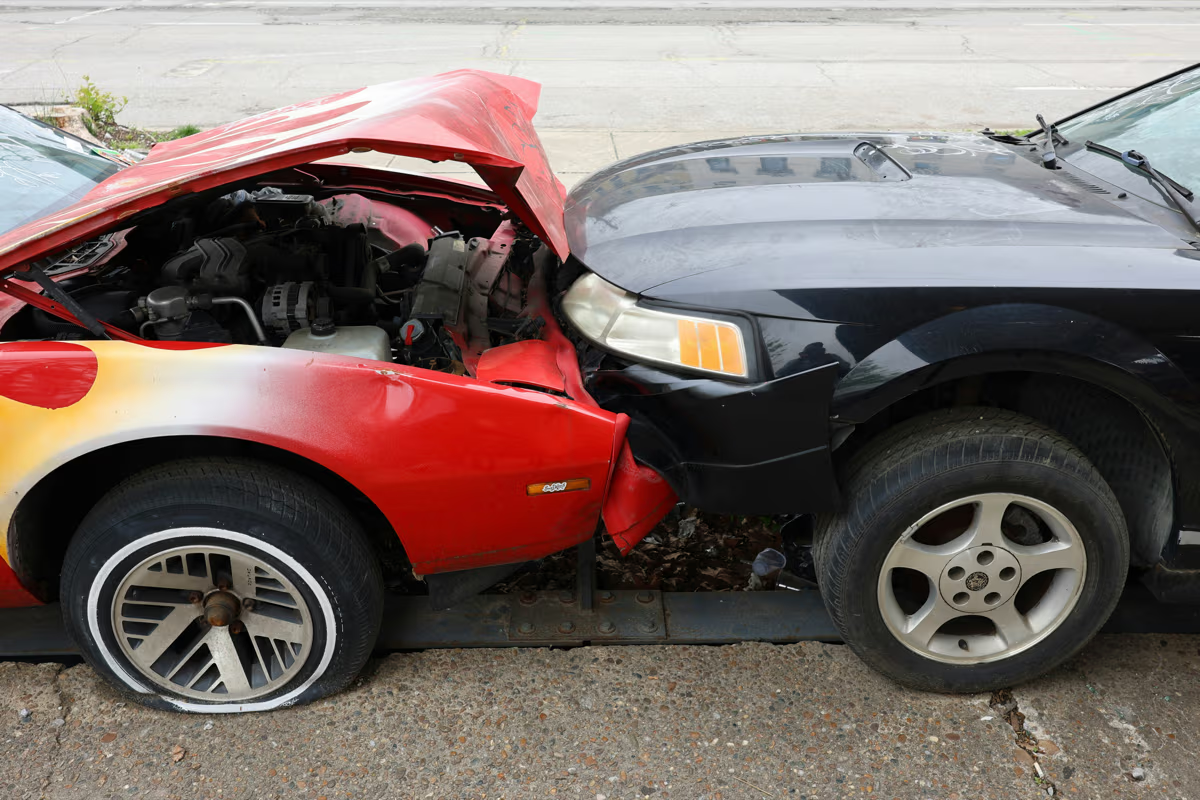
Los accidentes automovilísticos pueden ser abrumadores y confusos. A menudo dejan a las víctimas sin saber qué hacer. Comprender sus derechos es fundamental.
Tras un accidente, puede enfrentar facturas médicas y reparaciones del vehículo, además de tratar con las aseguradoras. Todo ello resulta intimidante sin la orientación adecuada.
Conocer sus derechos legales le ayuda a afrontar estos desafíos y garantiza que reciba una compensación justa. Aquí es donde un abogado especializado en accidentes automovilísticos resulta invaluable.
Un abogado puede guiarlo por el proceso de reclamo, ayudar a determinar la responsabilidad y negociar con las aseguradoras. Ese respaldo marca una diferencia notable.
Elegir la representación legal adecuada es esencial, pues incide en el resultado de su caso. Un abogado competente defenderá sus intereses.
Este artículo analiza sus derechos tras un accidente automovilístico, explica el proceso legal y le muestra cómo elegir al abogado adecuado.
Al comprender sus derechos, podrá protegerse y asegurar una resolución justa de su caso.
Pasos inmediatos tras un accidente automovilístico
Los accidentes ocurren de forma inesperada y muchos no saben cómo actuar. Su seguridad debe ser la prioridad inmediata. Si es posible, muévase a una zona segura para evitar daños mayores.
Una vez a salvo, llame a la policía. Un informe formal es esencial para los reclamos ante el seguro y para fines legales. Esa documentación puede ser decisiva para acreditar los hechos.
Reunir evidencia en el lugar también es importante. Fotografíe los daños, las marcas de frenado y el entorno. Capture detalles desde distintos ángulos para obtener una visión completa de la escena.
Recoja los datos de contacto de los demás conductores y de los testigos: nombres, teléfonos e información del seguro. Contar con varias fuentes refuerza su versión de los hechos.
Conviene anotar cuanto antes sus propios recuerdos del incidente: hora, fecha, clima y cualquier otro factor relevante. Un registro preciso respaldará su caso más adelante.
Pasos clave a seguir:
- Garantice su seguridad: muévase a una zona segura si es posible.
- Llame a la policía: solicite un informe formal.
- Reúna evidencia: tome fotografías y anote detalles.
- Recoja datos de contacto: de conductores y testigos.
- Documente el incidente: escriba sus recuerdos y observaciones.
Mientras espera a la policía, evite discutir la culpa con los demás implicados. Admitir responsabilidad puede complicar su reclamo. Limítese a intercambios factuales hasta que lleguen las autoridades.
Es fundamental buscar atención médica, aunque las lesiones parezcan leves. Algunas no se manifiestan de inmediato, por lo que una revisión siempre es prudente. Además de atender su salud, aporta documentación médica que será vital después.
Con estos pasos inmediatos protege sus derechos e intereses y sienta una base sólida para las siguientes etapas del reclamo. La preparación y la documentación suelen influir de forma decisiva en el resultado.
La importancia de la atención médica y la documentación
Nunca se insistirá lo suficiente en buscar atención médica tras un accidente. Las lesiones pueden no ser evidentes de inmediato y manifestarse horas o días después. Una evaluación profesional ayuda a detectar lesiones ocultas.
Los registros médicos de su consulta son evidencia crucial: aportan una cronología y el detalle de sus lesiones, y acreditan el vínculo entre el accidente y el daño sufrido.
Siga con rigor las indicaciones de su médico, incluidos los tratamientos y controles prescritos. Cumplir con el tratamiento demuestra seriedad respecto de su recuperación y de su reclamo, y evita defensas que aleguen exageración de las lesiones.
Llevar un diario de la lesión puede ser útil. Registre sus niveles de dolor, el impacto emocional y las actividades diarias afectadas. Ese registro personal aporta profundidad a su caso al reflejar consecuencias no observables.
Documentación esencial:
- Registros médicos: evaluaciones iniciales y consultas de seguimiento.
- Planes de tratamiento: recetas y detalles de la terapia.
- Diario de la lesión: niveles de dolor, limitaciones y vivencias emocionales.

Recuerde que la documentación respalda sus reclamos por gastos médicos, dolor y sufrimiento. Sirve en las negociaciones con las aseguradoras y ante los tribunales si es necesario. Constituir un registro exhaustivo es un paso vital para recibir una compensación justa. Actuar con prontitud y método influye notablemente en el éxito del caso.
Responsabilidad y culpa en los accidentes automovilísticos
Determinar la culpa es un aspecto complejo. La responsabilidad suele incidir en la compensación que reciba. Comprender cómo se establece le permite gestionar su reclamo con eficacia.
La escena del accidente aporta evidencia crítica. Las fotografías, las declaraciones de testigos y los informes policiales contribuyen a acreditar la responsabilidad y ofrecen, en conjunto, un panorama más claro de lo ocurrido.
La culpa puede repartirse entre las partes implicadas. En algunas jurisdicciones esto se conoce como negligencia comparativa o concurrente. Su cuota de responsabilidad puede afectar el monto otorgado.
Las aseguradoras realizan sus propias investigaciones: evalúan la evidencia reunida, entrevistan testigos y analizan informes. Sus conclusiones pueden incidir en las negociaciones.
Las normas sobre culpa varían según el estado. Algunos operan bajo un sistema sin determinación de culpa, lo que condiciona ciertos reclamos. Conviene conocer la regulación aplicable a su situación.
Factores clave para determinar la culpa:
- Normas de tránsito: infringir cualquier regla puede indicar responsabilidad.
- Evidencia: fotografías, testimonios y documentación policial.
- Leyes estatales: diferencias en los estándares legales y los sistemas de culpa.

autor: Josh Sonnenberg (https://unsplash.com/@joshsonnenberg)
Contratar a un abogado especializado puede ser decisivo. Cuenta con la pericia para examinar la evidencia y negociar con las aseguradoras, lo que ayuda a asegurar un resultado justo.
Comprender a fondo la responsabilidad refuerza su capacidad de proteger sus derechos y lo prepara para cada etapa del reclamo. Saber dónde está parado legalmente es clave para obtener una compensación justa.
Lesiones frecuentes en los accidentes automovilísticos
Estos accidentes pueden causar lesiones diversas. La gravedad suele depender de la velocidad, el ángulo del impacto y los sistemas de seguridad del vehículo. Conocerlas es crucial para el tratamiento y para el reclamo.
Muchas lesiones no se manifiestan de inmediato. Es esencial prestar atención a los síntomas incluso días después. La detección temprana previene complicaciones.
Las lesiones de tejidos blandos son comunes. El latigazo cervical, una distensión del cuello provocada por sacudidas bruscas, ocurre con frecuencia. También pueden producirse contusiones y esguinces por la fuerza del impacto.
Las lesiones craneales son especialmente preocupantes. Las conmociones pueden ocurrir aun sin pérdida de conciencia y requieren seguimiento cuidadoso para evitar efectos prolongados.
Lesiones habituales:
- Tejidos blandos: esguinces, distensiones y latigazo cervical.
- Lesiones craneales: conmociones y traumatismos cerebrales.
- Fracturas: huesos rotos en distintas partes del cuerpo.
- Lesiones de espalda: médula espinal y hernias discales.

autor: Parker Coffman (https://unsplash.com/@lowmurmer)
Las lesiones internas, como el daño a órganos, pueden poner en riesgo la vida y suelen requerir atención inmediata. Como pueden no presentar signos externos, la vigilancia es crucial.
Comprender estos tipos de lesiones facilita buscar la ayuda médica y legal adecuada, y garantiza que todas se consideren durante el tratamiento y el reclamo.
El papel del abogado de accidentes automovilísticos y de lesiones personales
Tras un accidente, encontrar la ayuda legal adecuada es vital. Distintos profesionales ofrecen pericia específica para casos complejos. Conocer sus funciones facilita elegir el mejor respaldo.
El abogado de accidentes automovilísticos se centra en incidentes de tránsito. Domina las normas estatales de circulación y se ocupa específicamente de estos reclamos. Su función principal es obtener compensación por los daños.
El abogado de siniestros de tránsito es similar, pero puede abordar cuestiones automotrices más amplias. Suele llevar casos complicados con vehículos comerciales o responsabilidad por productos, y requiere un conocimiento integral de la legislación del sector.
Los abogados de lesiones personales atienden una variedad de casos, más allá de los accidentes de tránsito: resbalones, caídas y otros daños personales.
Funciones clave de estos abogados:
- Asesoría legal: orientación sobre cómo llevar su caso.
- Negociación: tratar con las aseguradoras para alcanzar acuerdos.
- Representación: defenderlo ante los tribunales si es necesario.

autor: The Cleveland Museum of Art (https://unsplash.com/@clevelandart)
La elección depende de sus necesidades. Si el accidente implica lesiones extensas, un abogado de lesiones personales puede ser lo más adecuado; para siniestros sencillos, uno especializado en accidentes de tránsito bastaría.
Estos profesionales gestionan el trato con las aseguradoras. Conocen las tácticas que emplean para reducir los pagos y protegen sus derechos y su compensación potencial.
El panorama legal tras un accidente puede ser intimidante. Elegir el tipo de abogado adecuado asegura una asesoría a la medida y una gestión eficaz del caso.
El proceso de reclamo tras un accidente
Comprender el proceso de reclamo es esencial: le permite gestionar expectativas y avanzar con confianza. Actuar de inmediato puede incidir notablemente en el resultado.
Comience por notificar a su aseguradora. Es crucial ofrecerle un relato preciso del hecho. Prepárese para aportar todos los detalles relevantes sin admitir culpa.
La documentación es clave. Reúna toda la evidencia necesaria, como fotografías y declaraciones de testigos. Esa información respaldará su reclamo y ayudará a acreditar la responsabilidad.
Pasos del proceso de reclamo:
- Reporte el accidente: contacte de inmediato a su aseguradora.
- Reúna evidencia: tome fotografías y recoja los datos pertinentes.
- Busque atención médica: documente las lesiones con profesionales médicos.
- Revise su póliza: conozca sus límites de cobertura y sus derechos.
- Evalúe los daños: calcule gastos médicos, salarios perdidos y daños materiales.
- Negocie el acuerdo: trabaje con su abogado para lograr un arreglo justo.
- Prepare un eventual juicio: esté listo para llevar el caso a los tribunales si hace falta.
autor: Rohit Choudhari (https://unsplash.com/@iamrohitchoudhari)
Buscar atención médica es esencial, incluso ante lesiones leves. Las aseguradoras pueden objetar el reclamo si el tratamiento se demora. Esa documentación respalda su reclamo por gastos médicos.
Su abogado también cumple un papel vital: lo orienta, lo asesora y negocia con los ajustadores en su nombre, lo que ayuda a lograr un acuerdo justo.
Las aseguradoras pueden intentar cerrar rápido. Su objetivo suele ser reducir el pago, así que actúe con cautela. Un abogado puede asegurar que reciba la compensación que merece.
Comprender su póliza es vital. Conocer su cobertura evita conflictos futuros y le permite saber a qué prestaciones tiene derecho.
Por último, tenga presentes los plazos legales. Presentar el reclamo dentro del plazo de prescripción es imperativo; incumplirlo puede comprometer sus derechos y su compensación.
Plazos de prescripción y términos legales
Cada estado tiene normas propias sobre el plazo para presentar reclamos por accidentes de tránsito. Ese término, conocido como plazo de prescripción, varía según la jurisdicción. Conocerlo es crucial para proteger sus derechos.
Dejar vencer el plazo puede implicar la pérdida del derecho a reclamar. Actuar pronto es clave para reunir evidencia y construir un caso sólido: cuanto antes comience, mejores sus probabilidades.
Consideraciones clave sobre los plazos:
- Normativa estatal: informe el plazo de prescripción de su estado.
- Acción oportuna: inicie el reclamo bastante antes del vencimiento.
- Consulte a un abogado: busque asesoría para cumplir todos los plazos.
Tenga en cuenta que ciertas circunstancias pueden modificar el plazo, como el momento de detección de las lesiones o la intervención de entidades públicas. Un abogado puede aclarar estas condiciones particulares.
Comprender estos términos protege sus derechos. Inicie el reclamo con prontitud para evitar obstáculos legales y asegurar la compensación que le corresponde.
Tipos de compensación disponibles
Los accidentes pueden generar diversas cargas económicas. Conocer los tipos de compensación es crucial para su estabilidad financiera, ya que cubren los gastos y las pérdidas derivadas del hecho.
Los gastos médicos suelen ser la preocupación más inmediata. Puede reclamar hospitalizaciones, cirugías y costos de rehabilitación, de modo que reciba el tratamiento adecuado sin contraer deudas abrumadoras.
Los salarios perdidos son otro componente crítico. Si sus lesiones le impiden trabajar, puede recuperar los ingresos dejados de percibir, tanto pasados como futuros si su capacidad laboral se ve afectada.
Los daños por dolor y sufrimiento contemplan la afectación física y emocional, y reconocen el impacto del accidente en su calidad de vida. No siempre son fáciles de cuantificar, pero resultan esenciales.
Tipos de compensación:
- Gastos médicos: cubren todos los costos de atención.
- Salarios perdidos: compensación por el tiempo sin trabajar.
- Dolor y sufrimiento: refleja los daños no económicos.

autor: isarisariver (https://unsplash.com/@isarisariver)
Los daños materiales también son un reclamo habitual: permiten reparar o reponer su vehículo y los bienes personales afectados. Determinar el alcance total exige una evaluación minuciosa del caso.
Contar con un abogado de lesiones personales ayuda a identificar con precisión todas las vías de compensación y asegura una reparación justa de sus pérdidas.
Cómo tratar con las aseguradoras
Tratar con las aseguradoras tras un accidente puede ser intimidante. Su prioridad es proteger sus propios intereses económicos. Saber cómo manejar estas interacciones es vital para obtener un acuerdo justo.
Los ajustadores suelen llamar poco después del accidente. Actúe con cautela en esas conversaciones: pueden mostrarse amables, pero buscan información que reduzca el valor de su reclamo.
Nunca admita culpa ante un ajustador. Incluso una simple disculpa puede perjudicar su caso. Atenérgase a los hechos, sin especular ni opinar sobre la causa del accidente.
No siempre es obligatorio prestar una declaración grabada. Consulte a un abogado antes de aceptar cualquier entrevista registrada: sus palabras pueden usarse en su contra.
Puntos clave al tratar con las aseguradoras:
- Sea cauteloso: evite detalles innecesarios o admisiones.
- Consulte primero: busque asesoría antes de declarar.
- Conozca sus derechos: sepa a qué puede negarse.

autor: Sebastian Herrmann (https://unsplash.com/@officestock)
Comprender su póliza también es crucial. Revise los límites de cobertura y las condiciones para valorar mejor su reclamo; ese conocimiento lo fortalece en las negociaciones.
Contar con representación legal puede mejorar significativamente el resultado. Un abogado gestiona las comunicaciones y las negociaciones, y protege sus derechos durante todo el proceso.
Dificultades del proceso y cómo ayuda un abogado
El proceso de reclamo puede ser complejo y abrumador. Pueden surgir obstáculos que dificulten obtener justicia y compensación. Uno habitual es determinar la culpa, cuestión a menudo controvertida y subjetiva.
Las aseguradoras pueden cuestionar la gravedad de sus lesiones y alegar que los tratamientos son excesivos o innecesarios, lo que puede demorar o reducir la compensación.
Las complejidades legales, como los plazos y las disposiciones aplicables, también pueden entorpecer el caso. Perder un plazo podría comprometer todo el reclamo. Aquí la orientación de un abogado resulta invaluable.
Cómo puede ayudar un abogado:
- Recolección de evidencia: reúne y presenta pruebas sólidas.
- Negociación: los negociadores experimentados logran mejores acuerdos.
- Guía legal: conocen los protocolos y los plazos procesales.
Involucrar a un abogado desde el inicio ayuda a afrontar estas dificultades con eficacia. Defenderá sus intereses, agilizará el proceso y lo acompañará con seguridad por el panorama legal.
Cómo elegir al abogado adecuado
Elegir al abogado adecuado puede ser decisivo. El proceso exige investigación y análisis cuidadoso, y la asesoría correcta puede marcar una diferencia importante.
Busque abogados con experiencia en accidentes automovilísticos. Su familiaridad con los matices de estos casos es invaluable. Elija a alguien que comprenda la complejidad del derecho de lesiones personales.
Las recomendaciones y reseñas de clientes anteriores aportan información valiosa sobre su tasa de éxito y la satisfacción de sus clientes. Asegúrese de que se comunique bien y priorice sus necesidades.
Factores a considerar:
- Experiencia en casos de accidentes automovilísticos.
- Reputación entre colegas y clientes.
- Comunicación y capacidad de respuesta.
Entrevistar a varios abogados le dará una mejor idea de la compatibilidad. Exponga su caso con libertad para valorar su interés y compromiso. Pregunte siempre por su estrategia y su estructura de honorarios antes de decidir.

autor: Brett Jordan (https://unsplash.com/@brett_jordan)
Elegir bien aporta tranquilidad y garantiza una representación competente, crucial para recorrer el terreno complejo de estos reclamos.
Qué esperar si su caso llega a juicio
Ir a juicio puede resultar intimidante, pero comprender el proceso reduce la ansiedad. A veces el juicio es necesario para obtener una compensación justa.
Durante el juicio, ambas partes exponen su caso ante un juez o un jurado. Su abogado argumentará con evidencia y testimonios, y la defensa responderá con sus propios argumentos. La paciencia es clave, pues los juicios pueden ser prolongados.
Componentes clave del juicio:
- Alegatos de apertura de ambas partes.
- Presentación de evidencia y testigos.
- Alegatos finales que resumen cada posición.
Luego el juez o el jurado deliberan, y su decisión determina la compensación. Confíe en su abogado para que lo guíe en cada etapa; su pericia puede influir notablemente en el desenlace.
Impacto emocional y psicológico de los accidentes
Los accidentes automovilísticos pueden afectar profundamente la salud mental. Muchas personas experimentan malestar emocional persistente. La ansiedad y el estrés postraumático son consecuencias frecuentes.
Las víctimas suelen enfrentar dificultades de salud mental. Es importante buscar ayuda profesional cuanto antes; la intervención temprana favorece la recuperación.
Señales a las que prestar atención:
- Ansiedad persistente o ataques de pánico
- Dificultades para dormir o pesadillas
- Cambios de ánimo o irritabilidad
Comprender estos efectos es vital. Reconocer lo que siente favorece la recuperación. No dude en pedir apoyo: existen recursos disponibles para ayudar a las víctimas a sobrellevarlo.
Recursos legales y de apoyo para las víctimas
Encontrar el apoyo adecuado tras un accidente es crucial. Existen numerosos recursos para quienes buscan orientación. Los servicios de asistencia jurídica pueden aportar información valiosa.
Los grupos comunitarios de apoyo también resultan útiles. Compartir con personas en situaciones similares reconforta y ofrece consejos prácticos.
Recursos disponibles:
- Centros locales de asistencia jurídica
- Grupos comunitarios de apoyo
- Foros y comunidades en línea
Estos recursos ayudan a recorrer el proceso legal y a sobrellevar las secuelas emocionales. Recurrir a ellos puede ser un paso vital en el camino de la recuperación.
Conclusión: proteger sus derechos tras un accidente
Resguardar sus derechos tras el accidente es vital para obtener una compensación justa. La orientación legal le permite comprender sus opciones y afrontar la complejidad del proceso.
Un abogado experimentado puede marcar una diferencia importante: ayuda a sortear los obstáculos de las aseguradoras y a reclamar lo que le corresponde.
Priorice comprender el panorama legal. Actuar con información significa estar preparado para cualquier desafío que surja.

¿Lesionado en un accidente? Michael Brook lo conecta con abogados destacados en lesiones personales que luchan por obtener la compensación que le corresponde. Hable hoy mismo con un profesional — sin costo ni compromiso.


Tras ser atropellado al cruzar la calle, no sabía en qué abogado confiar. Michael revisó mi situación y me conectó de inmediato con el abogado adecuado.

Michael me explicó qué tipo de caso tenía y me refirió a un abogado especializado en accidentes automovilísticos graves. Esa claridad lo cambió todo.

Me lesioné en una caída y temía que no se tomara en serio. Michael me conectó con un abogado con experiencia en casos de responsabilidad de locales.

El conductor falleció y supuse que no tenía opciones. Michael me explicó cómo funciona el seguro y me conectó con un abogado que actuó con rapidez.